Project Timeline & Events
Follow the journey of Lichenary — from its first steps to field expeditions, workshops, and community actions.
Official launch of the Lichenary project
The website went live, opening the door to the lichen enthusiast community.
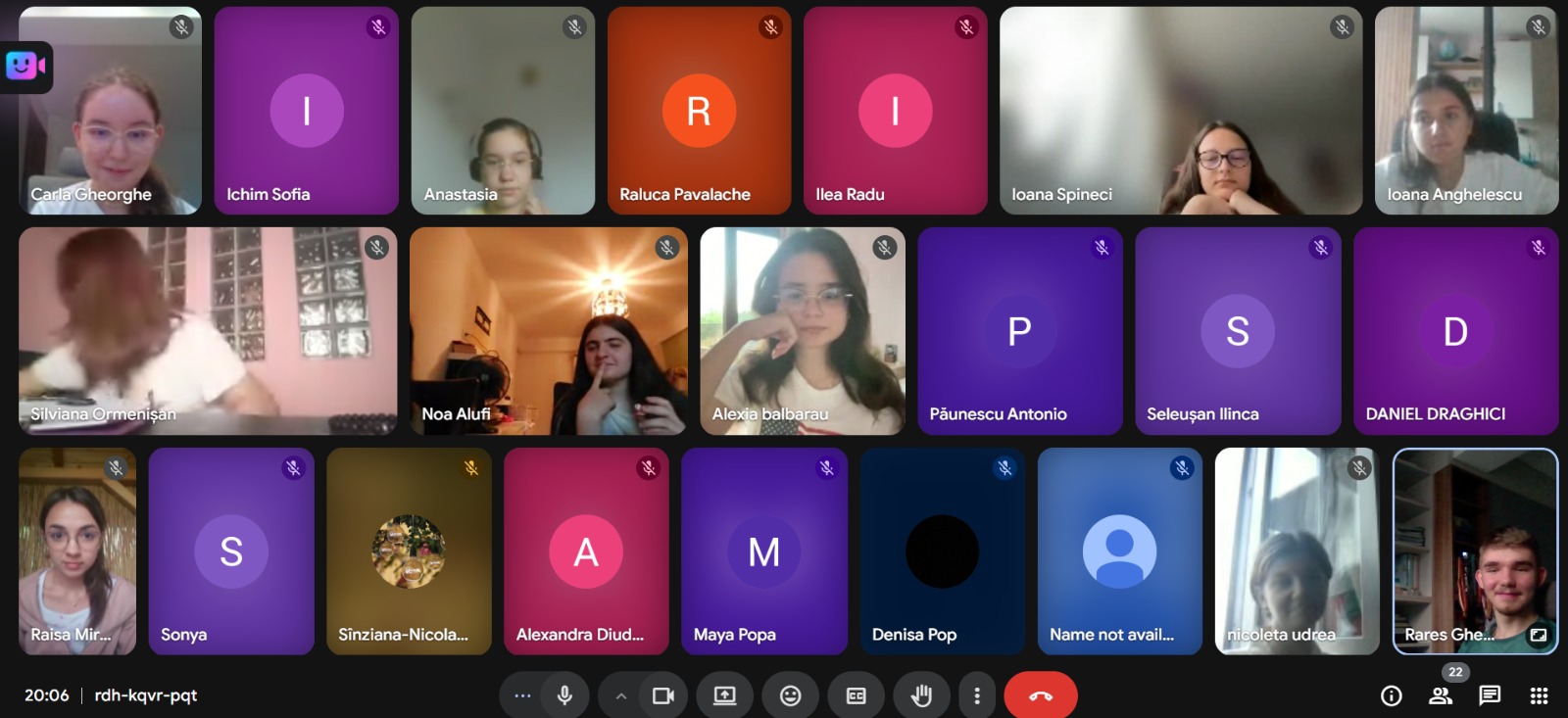
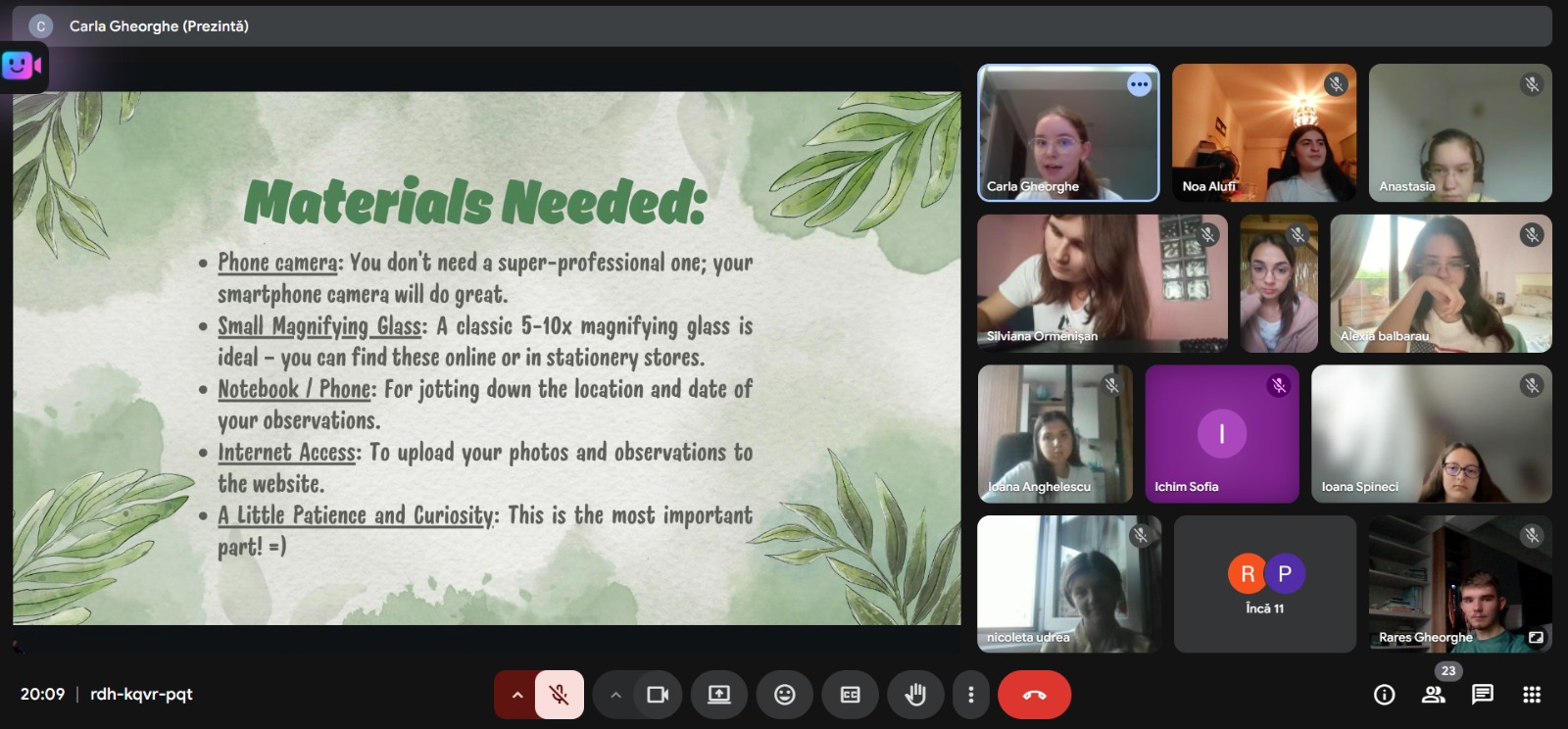
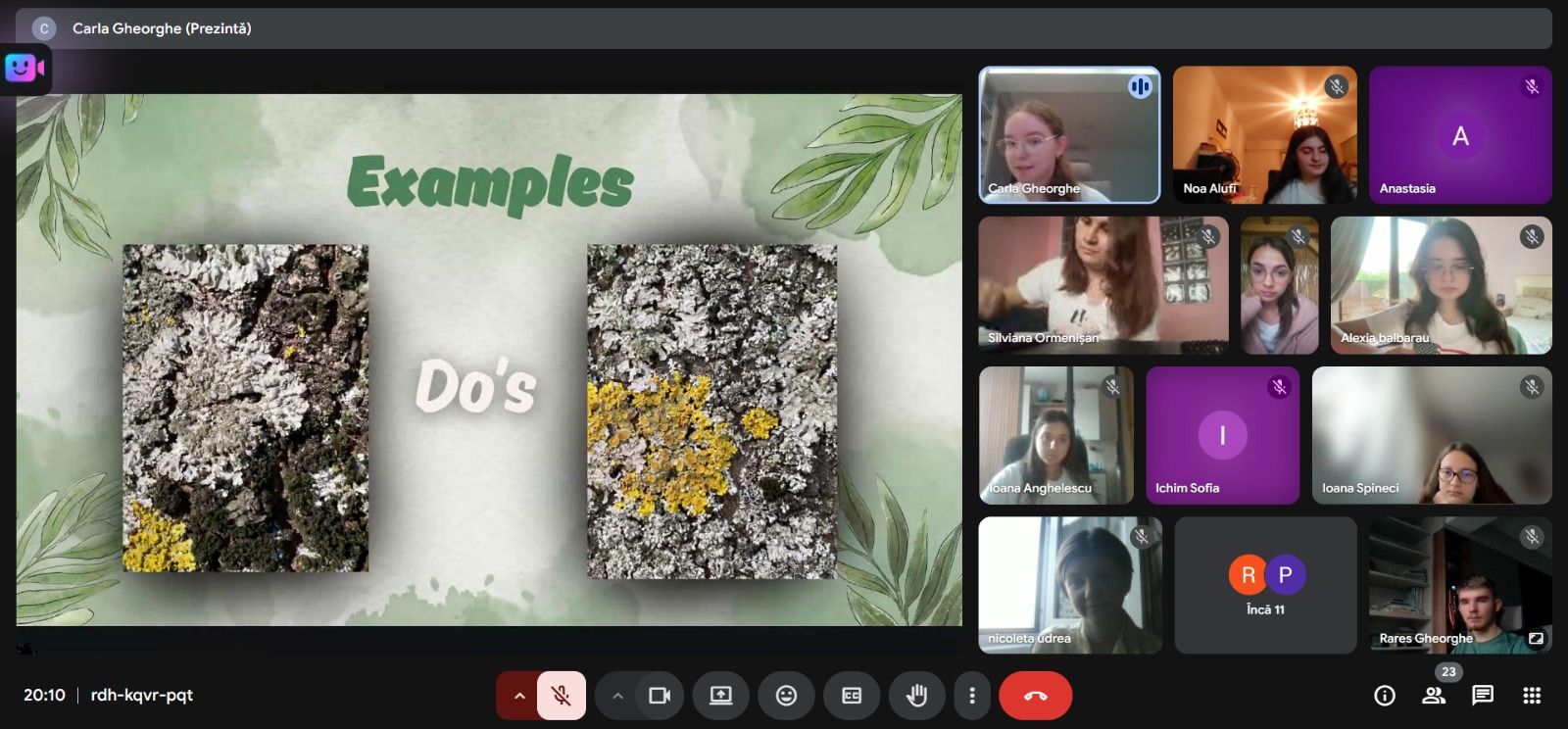
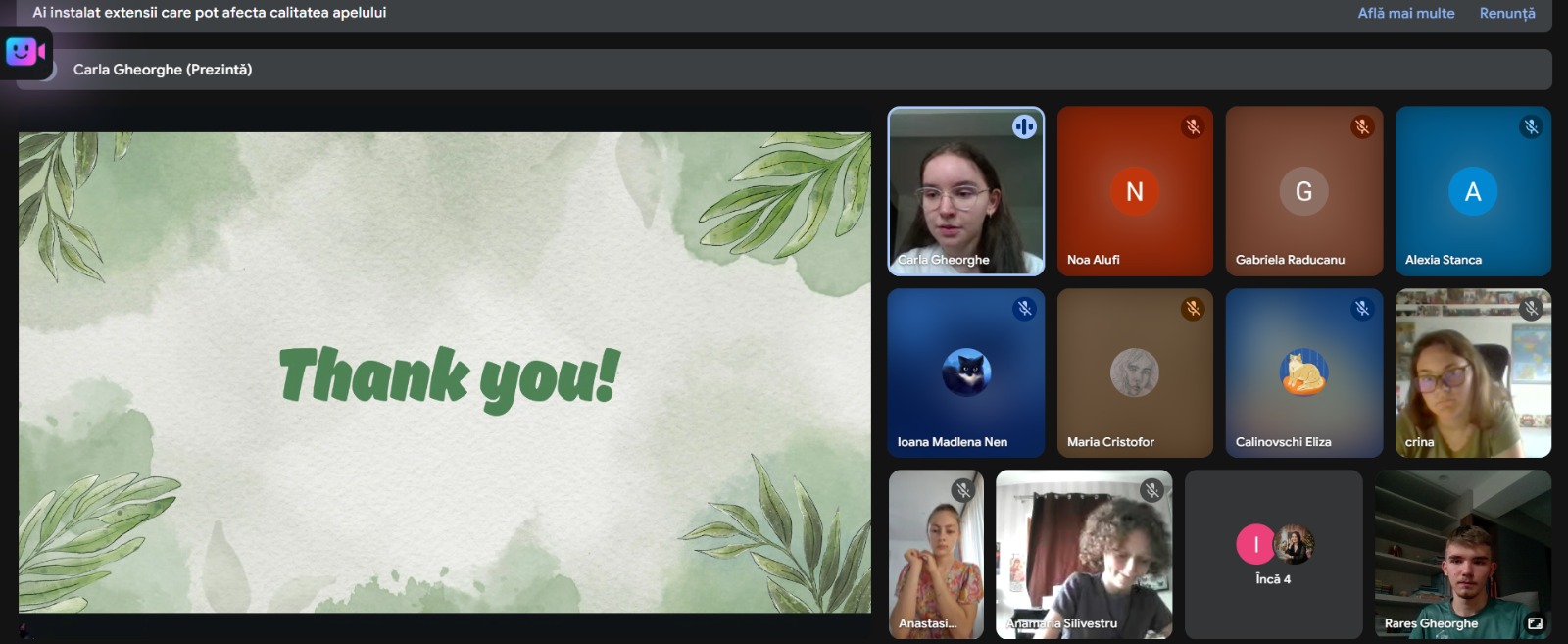
First meeting with volunteers
An introductory session was held to guide new volunteers on how to photograph lichens and upload their observations.
First field trip – Buzău
Participants explored Crâng Park, practicing lichen identification and contributing to the project’s first local observations.
First field trip – Cluj
A visit to Central Park provided opportunities to observe lichens and assess air quality using visual indicators.
First field trip – Constanța
Urban observations were carried out, with a focus on species diversity and local environmental conditions.
First field trip – Bucharest
Explorers visited Herăstrău Park to collect data and test live uploads directly from the field.
Clean Air Campaign
We celebrated the International Day of Clean Air for Blue Skies and International Ozone Day with a series of educational and community activities.
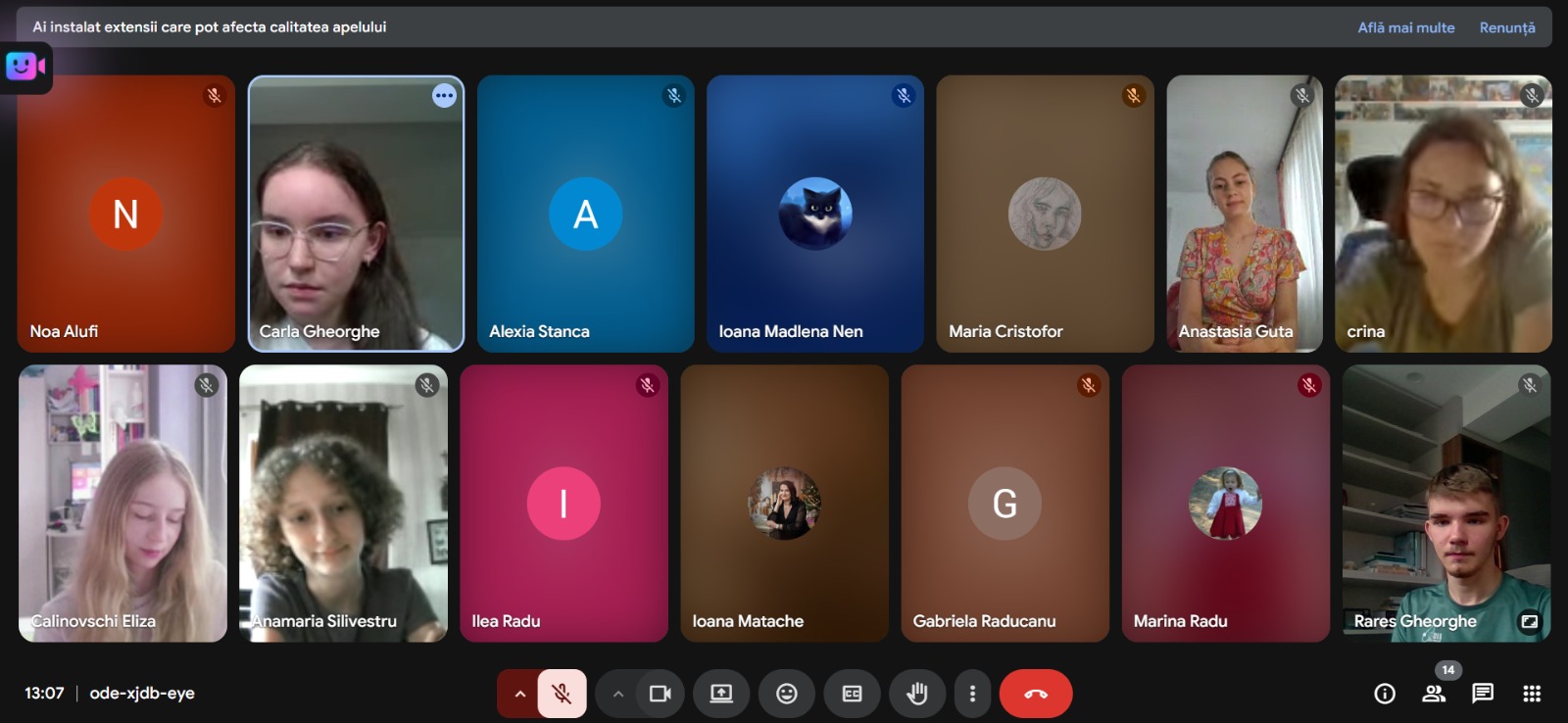
Clean Air Webinar
We organized an online webinar on Google Meet with
two special guests:
– Prof. Duraiswami (Savitribai Phule Pune University,
India) explained what is in the air around us, which
pollutants are most harmful, how they affect human
health, and practical steps we can take for cleaner
air.
– Prof. Schilling (Karlsruhe Institute of Technology –
KIT, Germany) spoke about CO₂’s role in climate change,
how it can be safely captured and stored, and future
opportunities for reducing emissions.
The session ended with questions from the audience
and an interactive discussion on local actions for
clean air.
Workshops & Field Trips
📍 Năvodari – Școala Gimnazială nr. 2 “Grigore Moisil”:
Children learned about lichens through a kid-friendly
presentation, colored eco-themed worksheets, and built
bird feeders and plant pots from recycled bottles.
📍 Cluj – Parcul Detunata: Volunteers photographed
lichens and contributed their observations to the
Lichenary database.
Bucharest Field Trip
Volunteers explored the ParkLake area and documented local lichen species.
Buzău Workshops
Students attended a presentation about lichens as air-quality bioindicators, colored educational worksheets, and created bird feeders and plant pots from recycled materials while discussing recycling and environmental protection.
Growing the Lichenary Map
Throughout the spring, the young Lichenary explorers continued adding observations to the map, expanding the project's growing database and documenting lichens from new locations across Romania.
National Geographic Award
The Lichenary team was honored with an award from National Geographic, recognizing the project's creativity, scientific engagement, and commitment to exploring and protecting the environment.
National Scientific Creativity Olympiad – Iași
The young researchers participated in the National Scientific Creativity Olympiad in Iași, presenting Lichenary as a scientific and citizen-science project that brings together environmental observation, technology, and community participation.
Lichenary at Open Doors Day – Buzău
On Open Doors Day at B. P. Hasdeu National College in Buzău, the team presented Lichenary to a large number of students, sharing their work, field experiences, and the role of lichens as indicators of air quality.
Field Trips Across Romania
Throughout the summer, the young explorers carried out numerous field trips across Romania, observing lichens in different environments, photographing species, collecting observations, and continuing to expand the Lichenary map.
Invited to the European Parliament
The Lichenary team was invited to the European Parliament to present and discuss their project, sharing their experience in citizen science, environmental education, and the use of lichens to understand air quality.
A New Chapter for Lichenary
The Lichenary website received a major redesign, bringing a new visual identity and an improved experience for the community. At the same time, artificial intelligence was introduced as a tool to support lichen identification and help explorers better understand their observations.